When the Whole Country Watched the Clock Together: America's Most Gripping Real-Life Countdowns
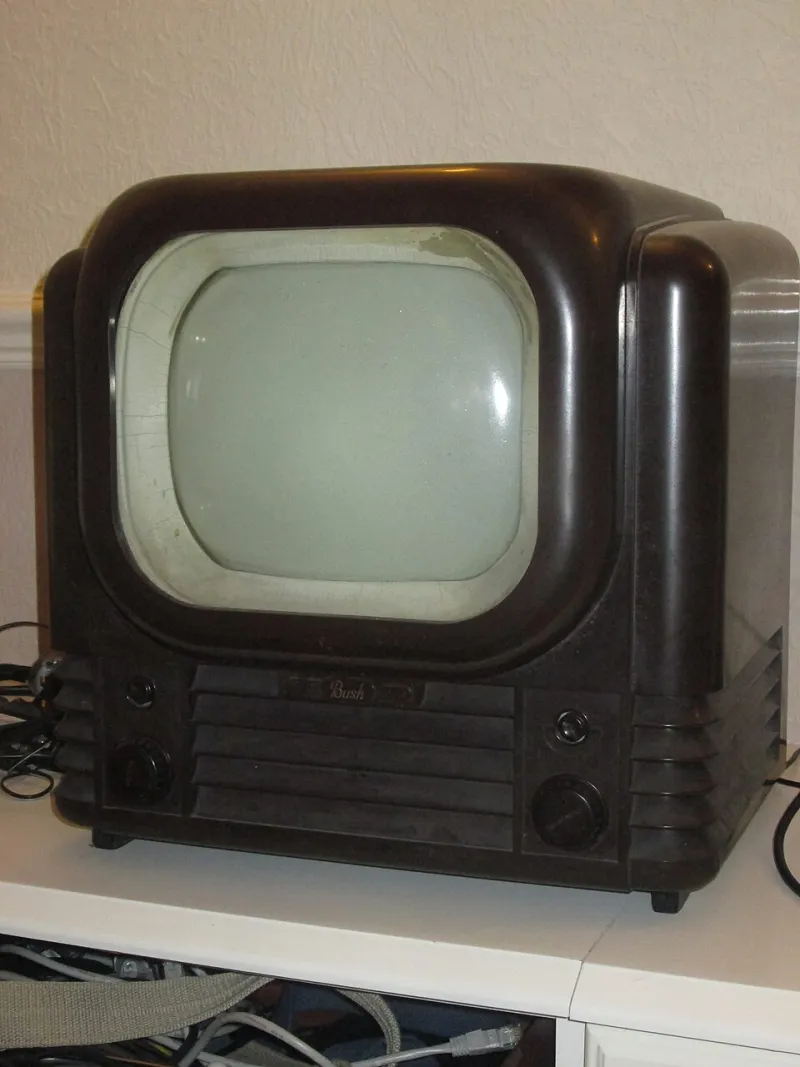
Photo: electromechanic812291, CC BY 2.0, via Wikimedia Commons
There is a particular kind of silence that falls over a room when a clock is running down. Anyone who was conscious on the evening of December 31, 1999, remembers it: the low hum of a television in the background, the anchor's careful phrasing, the unspoken question hanging over the punch bowl—will anything happen?
That question is the engine of every great thriller. And America, it turns out, has been running that engine in real life for decades.
The Ballot Counts That Held the Nation Hostage
No countdown in recent memory gripped the country quite like the 2000 presidential election. For thirty-six days, the fate of the presidency hung on hanging chads in Florida, and every hour of every news cycle delivered a new development, a new deadline, a new court ruling with its own expiration date. The nation was not watching a story. It was watching a timer.
The lesson for suspense writers is unmistakable: uncertainty plus a deadline equals total attention. It is the same formula that powers every deadline thriller on the shelf.
Launch Windows and the Poetry of T-Minus
NASA gave America its most elegant countdown format. The Apollo launches of the late 1960s and early 1970s turned waiting into ritual—T-minus ten and counting, a phrase so embedded in the national vocabulary that it now reads as pure drama even stripped of context.
The launch window itself is a narrative device borrowed constantly by thriller authors. A rocket cannot lift off at any random moment; neither can a rescue, an escape, or an assassination plot. Constraints create urgency, and urgency creates readers who forget to eat dinner.
Y2K: The Countdown That Came With a Date Stamped on It
The millennium bug was, in retrospect, the greatest promotional campaign for a deadline ever conducted. For months, American media tallied the days remaining until 12:01 a.m. on January 1, 2000, as though the calendar itself were a fuse. Planes would fall from the sky. Banks would fail. Or—nothing at all would happen.
The anticlimax taught the entertainment industry something valuable: the dread of the approaching moment is often more powerful than the moment itself. Thrillers understand this instinctively. The bomb does not need to go off. It needs only to be armed.
Bomb Scares and the Breaking News Loop
Every American who watched cable news in the 1990s and 2000s remembers the bomb-scare broadcast: the cordoned street, the robot camera feed, the reporter filling airtime while a robot in a bomb suit worked against an invisible clock. Nobody knew when—or whether—the device would detonate. The networks understood that viewers would not change the channel.
This is the raw material of the genre. A bomb scare is a countdown without a visible clock face, and the audience supplies the ticking themselves.
The Hostage Standoff and the Negotiator's Clock
Standoffs—Waco, Ruby Ridge, countless lesser-known sieges—played out on television with an unspoken timer attached. Every hour a standoff continued, the odds of a violent end shifted. Commentators said so openly. Viewers did the math in their heads.
Why the Countdown Has Already Started
Strip away the specifics and these moments share a skeleton: a fixed endpoint, visible progress toward it, and stakes that cannot be undone once the endpoint arrives. That skeleton is the thriller's spine.
It is also the reason this site exists, and the reason our tagline reads the way it does. The countdown has already started. You felt it the moment you began reading. The only question—the same question that kept a nation glued to its screens in 1999, in 2000, at every T-minus ten—is what happens when it reaches zero.