You Are Next The countdown has already started.

You Are Next

The countdown has already started.

Latest Articles

The Appointment You Didn't Make: Calendar Dread and the Art of the Deferred Threat
Psychology of Suspense

The Appointment You Didn't Make: Calendar Dread and the Art of the Deferred Threat

A calendar alert is a small, civilized thing—until it belongs to a date you never agreed to keep. This essay examines how contemporary American thrillers turn scheduled reminders into instruments of suspense, and why a future appointment can feel more dangerous than a present one.

The Van Turns Onto Your Street: Delivery Tracking and the New Suspense of Arrival
Culture

The Van Turns Onto Your Street: Delivery Tracking and the New Suspense of Arrival

Package-tracking alerts, delivery-window texts, and porch cameras have turned the ordinary act of waiting for a parcel into a fresh narrative clock. This examination traces how American thrillers convert logistics into dread—and why a notification addressed to you can feel more ominous than a knock.

The Docket Is a Clock: How Legal Thrillers Turn Procedure Into Peril
Psychology of Suspense

The Docket Is a Clock: How Legal Thrillers Turn Procedure Into Peril

Legal thrillers seldom need a bomb under the table. They have something more patient: a trial date, a discovery cutoff, a sentencing hearing. This is how American suspense writers turn the courtroom calendar into a private countdown, where every continuance is both a reprieve and a threat.

A Letter From the Board: Why the Most Frightening Countdown in American Thrillers Arrives With a Stamp
Psychology of Suspense

A Letter From the Board: Why the Most Frightening Countdown in American Thrillers Arrives With a Stamp

The homeowners association letter is a masterpiece of bloodless menace: a due date, a fine schedule, and a signature from a neighbor. This essay examines why the driest paperwork in American suburbia has become one of suspense fiction's most effective countdown devices.

The Departure Board Knows Something You Don't: Public Transit as a Countdown Machine in American Suspense
Psychology of Suspense

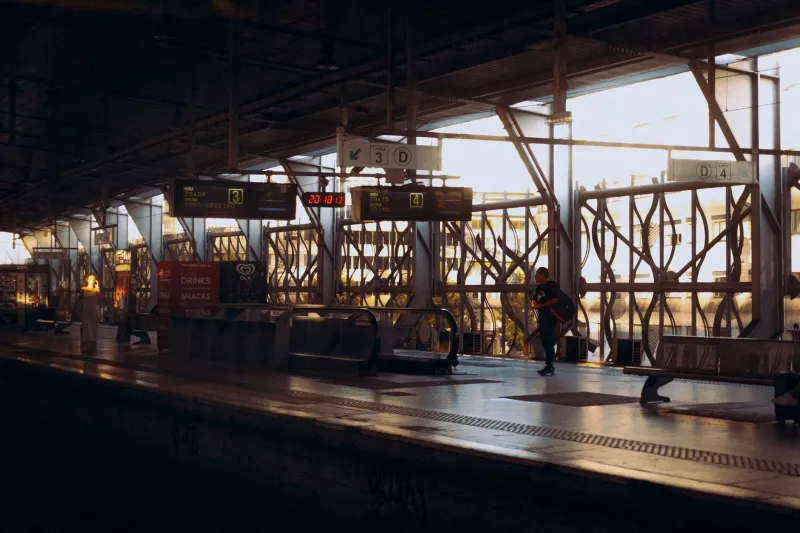
The Departure Board Knows Something You Don't: Public Transit as a Countdown Machine in American Suspense

In American suspense, the most menacing object is often a timetable. The missed bus, the delayed train, and the platform that empties at precisely the wrong moment turn ordinary commuting into a private deadline — and the stranger beside you into a narrator you cannot trust.

The Estimated Wait Is a Threat: How Phone Menus Became Suspense Machines
Psychology of Suspense

The Estimated Wait Is a Threat: How Phone Menus Became Suspense Machines

Automated phone menus are not merely background noise in contemporary American thrillers; they are clocks, mazes, and masks. This essay examines how hold music, menu prompts, and promised wait times turn ordinary bureaucracy into a personal deadline—and why the reader feels trapped on the line.

A Chime Meant for Everyone, Addressed to You: The New Jump Scare in American Suspense
Psychology of Suspense

A Chime Meant for Everyone, Addressed to You: The New Jump Scare in American Suspense

Contemporary thrillers have learned that the most frightening notification is the one the government insists you receive. By borrowing the unmistakable tone of US emergency alerts, authors turn the reader's own phone into an accomplice — and a countdown device.

The Silence After the Ring: How Thrillers Turn Rescue Into a Second Countdown
Psychology of Suspense

The Silence After the Ring: How Thrillers Turn Rescue Into a Second Countdown

A dead 911 call is more than a plot obstacle. In American thrillers, the failed connection converts the promise of rescue into a second, crueler clock — and leaves the reader alone with the silence. This essay examines the device's recent forms and offers a writer's checklist for making it feel earned.

A Ping From the Plot: How Thriller Apps Are Turning the Lock Screen Into a Scene of Suspense
Psychology of Suspense

A Ping From the Plot: How Thriller Apps Are Turning the Lock Screen Into a Scene of Suspense

Serialized thriller apps and publisher campaigns are borrowing the grammar of push alerts, countdown timers, and location-aware teases to make readers feel personally marked. The result is a new kind of American suspense—one that arrives not on the page but in the palm of the hand, and often at the worst possible moment.

The Whistled Tune That Means You're Marked: How Fiction Turns Music Into a Death Sentence
Psychology of Suspense

The Whistled Tune That Means You're Marked: How Fiction Turns Music Into a Death Sentence

A nursery rhyme in an empty hallway. A hummed chorus that arrives one scene too early. In suspense fiction, sound is rarely decoration — it is the metronome of the countdown. We trace why the ear registers doom before the eye does, and assemble a playlist of the melodies that signal: you are next.

Arithmetic of Dread: The Novel That Numbers Its Own Final Hours
Psychology of Suspense

Arithmetic of Dread: The Novel That Numbers Its Own Final Hours

Some thrillers don't just describe a deadline — they print it, chapter by chapter, hour by hour, until the table of contents itself reads like a bomb schematic. We examine why numerical structure bypasses the thinking mind and speaks directly to the pulse.

The One Who Knocked and Wasn't Heard: A Field Guide to Fiction's Doom-Messengers
Psychology of Suspense

The One Who Knocked and Wasn't Heard: A Field Guide to Fiction's Doom-Messengers

Every thriller owes its existence to somebody nobody believed. Before the sirens, before the body count, there was always one neighbor, one retired lawman, one kid on a bicycle who saw the shape of what was coming — and was politely shown the door.

First Blood on Page Twelve: The Unsung Craft of the Sacrificial Victim
Psychology of Suspense

First Blood on Page Twelve: The Unsung Craft of the Sacrificial Victim

Every reliable thriller pays a toll early: a neighbor, a sitter, an old college friend who exists mostly to die. We examine why writers pick who goes first, and why the reader's grief is a calculated expense.

The Door Left Ajar: What Thriller Covers Are Really Saying When They Point at You
Culture

The Door Left Ajar: What Thriller Covers Are Really Saying When They Point at You

Before a reader turns a single page, the cover has already made its pitch — and in American suspense publishing, that pitch is almost always a summons. We spoke with designers about the visual grammar of the genre and why the scariest jacket art never shows a face at all.

Population: Perfect — The Careful Arithmetic of the Fictional Town Where Everyone Is Guilty
Psychology of Suspense

Population: Perfect — The Careful Arithmetic of the Fictional Town Where Everyone Is Guilty

Why do so many suspense novels unfold in towns that seem engineered to the exact population? From Christie's villages to the shadowy main streets of American bestsellers, the small-town setting is less a backdrop than a machine — calibrated so that everyone knows your name and no one knows your business. We examine the editorial math behind America's favorite killing grounds.

Sympathy for the Hand on the Knife: How American Thrillers Taught Us to Love the Threat
Psychology of Suspense

Sympathy for the Hand on the Knife: How American Thrillers Taught Us to Love the Threat

Somewhere along the way, the monster in the margins became the most compelling voice on the page. This is an examination of the morally magnetic antagonist — and what our growing allegiance to the danger reveals about the American reader.

Chosen on Page One: The Strange Business of Making Readers the Target
Psychology of Suspense

Chosen on Page One: The Strange Business of Making Readers the Target

Across America, thrillers are no longer content to merely entertain their readers — they are recruiting them. We spoke with independent booksellers about the customers who line up to be selected, and what it reveals about our appetite for being noticed by the dark.

Final Messages and Empty Chairs: A Brief History of Authors Who Vanished on Purpose
Culture

Final Messages and Empty Chairs: A Brief History of Authors Who Vanished on Purpose

Publishing has long understood that a storyteller's absence can be the loudest announcement of all. From staged disappearances to narrators who die mid-sentence, this survey traces the American tradition of faking the author's exit — and the moments the trick went too far.

When the Letter Knows Your Name: Inside Horror's Most Personal Marketing Machines
Psychology of Suspense

When the Letter Knows Your Name: Inside Horror's Most Personal Marketing Machines

Personalized marketing has always sold products, but in the hands of thriller publishers it sells something stranger: the sensation of being watched. This piece examines the campaigns that made American readers feel individually chosen — and why that discomfort converts so reliably.

Synchronized Silence: The American Book Clubs That Cross the Finish Line Together
Culture

Synchronized Silence: The American Book Clubs That Cross the Finish Line Together

Across the country, reading groups are treating suspense novels like midnight premieres — locking spoilers, coordinating final pages, and gathering in living rooms at 11:55 p.m. to turn the last page in unison. A look at the ritual, the rules, and the unlikely intimacy of ending a thriller as a group.

Recommended

casino not on gamstop non gamstop casinos UK