The Pronoun That Follows You Home: On Second-Person Suspense

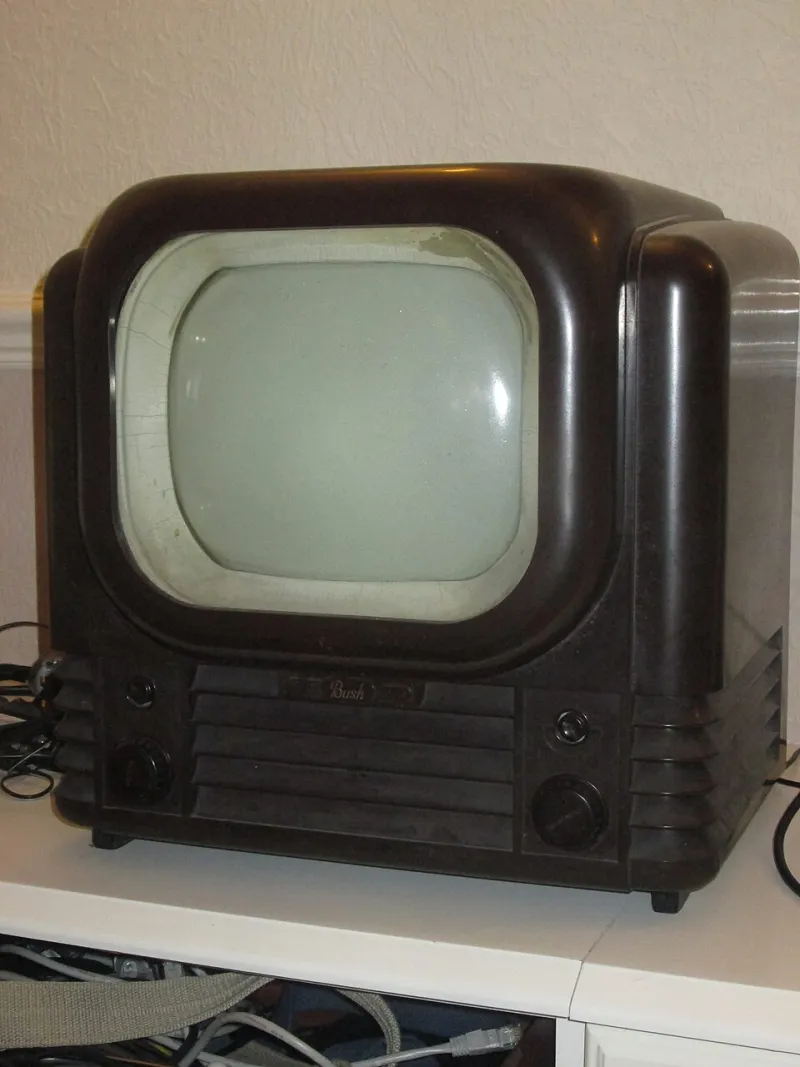
Photo: Nicholas Mutton, CC BY-SA 2.0, via Wikimedia Commons
There is a reason the oldest threats in the language are delivered in the second person. You are next is not a sentence about someone. It is a sentence about you. And when a novel borrows that grammar, something structurally unsettling happens: the safe distance between reader and victim, the distance that makes fiction bearable, quietly closes.
This piece is an argument, and the argument is this: second-person suspense is not a gimmick. It is the most honest form the thriller has, because it admits what every thriller secretly wants—to reach past the page and take the reader by the collar.
The Long Shadow of the Second Person
The device has a respectable lineage. When Jay McInerney's Bright Lights, Big City opened in 1984 with a second-person narrator stumbling through New York, critics treated the you as a stylistic stunt. But the stunt did something the first person never could: it made thousands of readers complicit in a stranger's descent. You were not reading about a young man losing himself in Manhattan. The book insisted you were doing the losing.
Horror understood the implication before literary fiction did. Choose-your-own adventures, the paperback gamebooks of the 1980s, and later the interactive fiction revival all discovered the same truth: the pronoun you is a trapdoor. Address the reader as a character and they can no longer fully climb out of the story.
Why the Device Works: The Collapse of Distance
The traditional thriller operates on a contract of safety. Bad things happen to the protagonist; you watch from behind glass. The second person shatters the glass, not with gore but with grammar. There is no protagonist to hide behind. The sentence structure itself assigns you the fear.
Psychologists who study narrative transportation—the sensation of being absorbed into a story—have long noted that identification deepens when the reader is given no buffer. The second person removes the buffer by decree. The reader cannot argue with the pronoun. They can only keep reading, which is, of course, the point.
The Age of Personalized Dread
It is no accident that this device is surging now. American readers live inside personalized feeds, targeted ads, and algorithms that already speak to each of us in the singular. We are conditioned to be addressed. A thriller that says you simply weaponizes the ambient voice of the era.
The marketing world caught on before publishing did. Alternate reality games, QR codes tucked into dust jackets, websites with countdown timers that greet visitors by implication—these are second-person devices without the pronoun. The most effective book campaigns of recent years have not described the story to potential readers. They have positioned the reader inside it. A countdown that says the clock is running is speaking to whoever happens to be looking. Which is to say: you.
The Objection, and Why It Fails
Skeptics will say the second person is exhausting—that it works in short bursts and collapses over a full novel. Sometimes true. But the device does not require constant address. A thriller can hold the reader at third-person distance for three hundred pages and then deploy a single direct sentence at the moment of maximum vulnerability. One you, placed correctly, retroactively rewrites everything that came before it.
Where This Goes
As interactive and personalized formats mature, expect the boundary between narrator and reader to keep thinning. The thriller, always the genre most attentive to fear's mechanics, will lead. And the books that understand the pronoun best will understand something older than publishing: fear has always been personal.
The next time a novel addresses you directly, notice your reflex to look over your shoulder. That reflex is the entire business model. The distance was never as far as you thought.