Final Frames: Why America Cannot Look Away From the Last Photograph
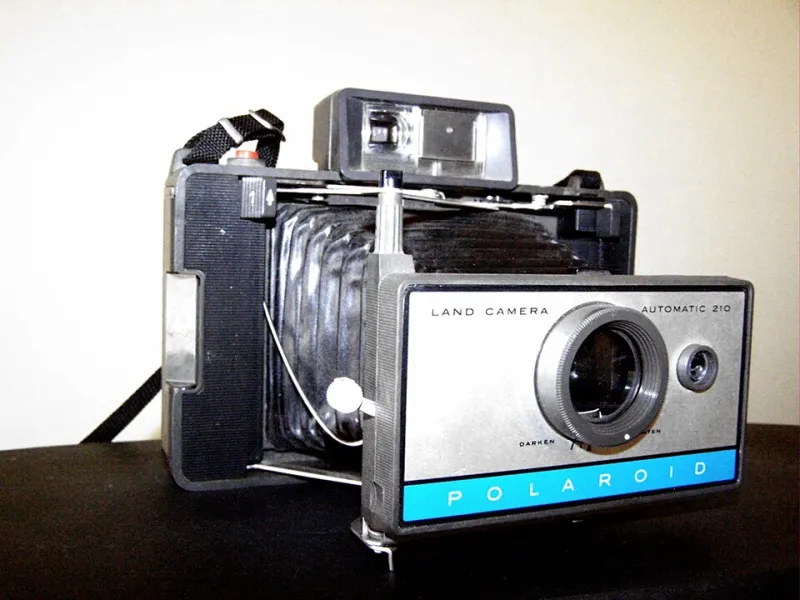
Photo: Derrick Tyson from Atlanta, GA, CC BY 2.0, via Wikimedia Commons
The caption is almost always the same shape. 'This was taken three hours before.' Sometimes it is a vacation snapshot, a parking lot selfie, a voicemail waveform rendered as an image. The subject is ordinary. The timestamp is the story. Across Reddit communities, YouTube compilations, and True Crime forums, the 'final moments' genre has become one of the internet's most durable fascinations — and its grip on the American imagination deserves a closer look than the reflexive label of morbid curiosity usually allows.
The Ordinary Frame, Reversed
A last photograph is an ordinary image with a single, devastating edit: we know how the story ends. Nothing in the frame has changed. The smiles are genuine, the lighting is forgettable, the composition means nothing. What has changed is the viewer. Suspense theory has a name for this effect — dramatic irony — but the internet version is starker than anything Hitchcock staged. In film, the audience knows the bomb is under the table. In a final photo, the audience knows the bomb went off, and the person in the frame does not.
That reversal is precisely what makes the artifacts so hard to scroll past. The image becomes a riddle pointed backward: find the ordinary thing that was about to stop being ordinary. Viewers study a shadow, a clock on a wall, a half-finished drink. The photograph has not changed. We have become forensic.
Safe Distance, Real Stakes
Psychologists who study curiosity describe a 'information gap' — the itch between what we know and what we want to know. Final-moments content exploits that gap ruthlessly, but it also offers something subtler: the experience of dread with the danger removed. The viewer can lean all the way into the horror of inevitability because there is no seatbelt to fasten, no risk to manage. It is the same transaction suspense fiction has offered for two centuries, compressed into a single frame and a caption.
This may explain why the genre flourishes in the United States particularly. American popular culture has long industrialized the true story — the documentary true crime boom, the courtroom cable block, the podcast season that ends with a verdict. We are a culture practiced at consuming real catastrophe as narrative. The last photograph is simply the most distilled form: a true story with no narration required.
There is also a rehearsal function at work. Confronting finality in controlled doses — a stranger's last post, a recovered voicemail — allows a low-stakes examination of questions most people defer: What would my last image look like? Who would be in it? Dread, processed this way, functions almost like a drill. The viewer walks away with the unsettling feeling intact but the panic discharged.
The Ethical Edge
None of this is without cost. The genre routinely blurs consent — many subjects of viral final photos never agreed to be a genre. Families have watched a loved one's last hours become content, complete with engagement metrics. Responsible discussion of these artifacts, including on sites like this one, requires holding two truths at once: the fascination is deeply human, and the humans in the frames deserve the same dignity they had before the timestamp became the headline.
What It Means for the Suspense Reader
For those of us who make and read suspense, the final-photo phenomenon is less a curiosity than a diagnosis. It confirms that audiences do not primarily crave action or even mystery. They crave the moment before — the loaded stillness where everything is intact and the reader alone knows what is coming. Every effective thriller novel is, in a sense, a long final photograph: hundreds of ordinary pages with a timestamp the reader cannot see yet.
That is the quiet promise the genre makes, and the reason the artifacts grip us so completely. We look at the last frame and we do not merely see someone else's ending. We rehearse our own — from a distance, in the dark, one image at a time.