Page One, No Mercy: Ten Openings That Refused to Let Go
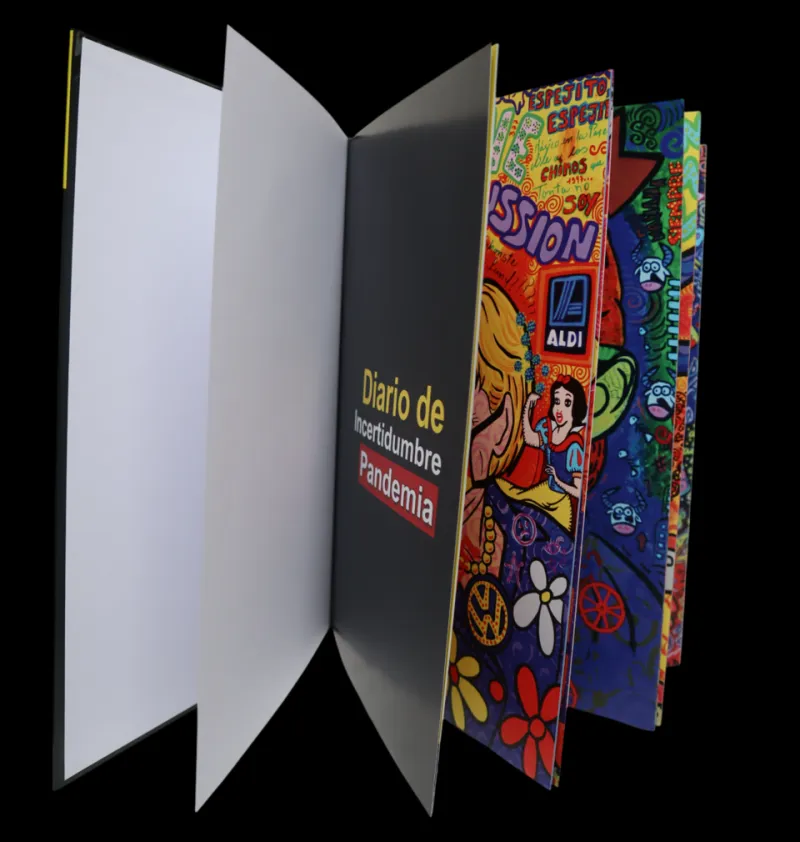
Photo: HonysTorresArt, CC BY-SA 4.0, via Wikimedia Commons
Every thriller writer eventually confronts the same brutal arithmetic: the average American reader gives a new book somewhere between one page and one paragraph. Bookstores are graveyards of promising manuscripts that opened with weather. The titles that survive do not ease readers in. They take hostages.
What follows is an anatomy of ten openings that made surrender feel involuntary. This is not a ranked list of the ten best thrillers ever written—it is a dissection of ten distinct mechanisms, each of which can be borrowed, studied, and deployed.
1. The Confession Before the Crime
The narrator who opens by admitting something terrible has already happened commits a quiet act of theft: they steal the ending and dare you to figure out the middle. When a voice on page one says, in effect, I did it, and here is why you would have too, every subsequent chapter becomes evidence. The reader is no longer asking what happens—they are interrogating a liar.
2. Inverted Chronology as a Trap
Opening with the aftermath—a body, a funeral, a house with its windows blown out—forces the reader to read backward in their mind. The suspense inverts. Instead of worrying about what will happen, the reader is tormented by how we got here. It is the narrative equivalent of seeing the wreck before the highway.
3. The Ordinary Sentence That Isn't
Some of the most unsettling openings in American crime fiction contain no violence whatsoever. A woman waters her plants. A father makes coffee. The horror lives in a single misplaced detail—a door that should be locked and isn't, a name spoken by someone who shouldn't know it. Domesticity plus one wrong element equals dread on a molecular level.
4. The Second-Person Accusation
Rare, and devastating when it works: a book that tells you what you did. We will have much more to say about this device in our next piece, but for now, note the mechanism—addressing the reader directly converts them from witness to suspect.
5. The Countdown on Paper
When a chapter opens with a timestamp—hours remaining, a deadline named—every page turn becomes a moral act. The reader is complicit in the clock. This is why so many hit thrillers of the past decade open with a date, a time, a location, as if filing an incident report for something that has not yet occurred.
6. The Unreliable Handshake
An opening narrator who is too calm, too precise, too eager to be believed signals the opposite. Readers have been trained by decades of American noir to distrust composure. The hook is not the event; it is the suspicion that the person describing it is lying about the order of things.
7. The Interrupted Scene
Begin mid-action, cut before resolution. The cliffhanger inside the first scene feels almost rude—until the reader notices they have already turned the page. The technique is ancient (serial fiction ran on it) and still works because the human brain despises an open loop.
8. The Prophecy in Past Tense
Some openings read like obituaries for people still alive. Stating a character's fate in the past tense—that was the last time she saw the house—plants a bomb under every cheerful scene that follows.
9. The Weather That Lies
Used poorly, weather is filler. Used well, it is a mood contract. An opening storm in a thriller is a promise: the world described in this book does not protect people. The best practitioners make the landscape an accomplice.
10. The Question Nobody Wants Asked
The final mechanism is the simplest: open on a question the reader realizes they do not want answered, and then make answering it unavoidable.
Takeaways for Writers
Strip every opening you write to its first three sentences and audit them for one thing only: does the reader now possess information they cannot unknow? Dread, unfinished business, inverted time—these are not styles. They are debts, incurred on page one, that the reader will stay up until 2 a.m. to see repaid.
Reader poll: Which of these openings cost you the most sleep? Tell us in the comments—the results run in next month's issue, after the countdown reaches zero.