A Ping From the Plot: How Thriller Apps Are Turning the Lock Screen Into a Scene of Suspense
The book jacket has always been a kind of promise: open me and something will happen. The push notification makes a different promise. It says something is happening now, and it has found you. For a growing number of American thriller readers, that distinction is becoming the point. Serialized fiction apps and publisher-led digital campaigns are experimenting with alerts, timers, and location-aware messages that turn the reading experience into a sequence of small, well-timed interruptions. The goal is not merely to promote a book. It is to make the book feel as though it is aware of the reader.
The Anatomy of a Well-Placed Buzz
A notification is a fragile thing. It arrives in the same space as a calendar reminder, a message from a spouse, and a breaking-news alert. That ordinariness is precisely what makes it useful to suspense writers. A book cover sits in a bookstore or on a screen, waiting to be chosen. A notification arrives unbidden, briefly taking command of the lock screen. In the grammar of daily life, it reads as urgent even when it is trivial.
Publishers have noticed. In 2026, several US campaigns for serialized thrillers have moved beyond email newsletters and sample chapters toward app-native scheduling. Readers who opt in may receive a message at the same hour each evening: a new chapter is available, a character has made a decision, a countdown has lost another day. Some campaigns use the language of the plot itself—a fictional detective asking for help, a suspect offering a warning—while others stay closer to conventional marketing. The most effective ones understand that the alert is not a delivery mechanism. It is a beat in the story.
Why a Notification Feels More Ominous Than a Jacket
The psychology here is not mysterious. Suspense depends on anticipation, and anticipation depends on uncertainty. A printed book offers uncertainty at a pace the reader controls. A notification introduces uncertainty at a pace the campaign controls. The reader knows the message is designed, but the arrival is still unpredictable enough to produce a small startle. That startle is the raw material of dread.
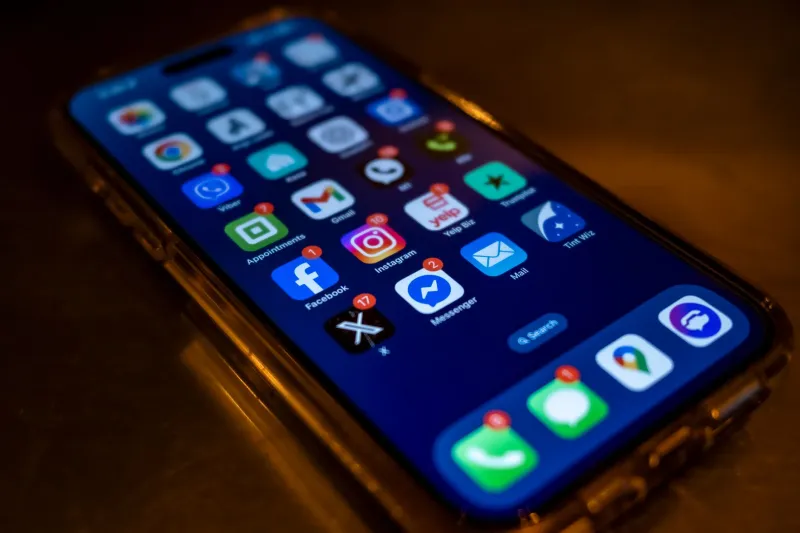
There is also the matter of proximity. A phone is carried into the bedroom, the subway, the doctor's waiting room. It is the one object many Americans touch before they are fully awake. When a thriller app places a fictional threat on that object, it borrows some of the phone's intimacy. The reader is not simply reading about a character who is being watched. The reader is holding a device that has just spoken.
Location-aware teases push this further. A campaign might send a message when a reader enters a certain neighborhood, or frame a chapter as though it were written for the zip code in which it was opened. The technical execution is often simple, but the effect is disproportionate. The story appears to have noticed where the reader is standing. That is an old trick of the Gothic—the castle knows you have arrived—translated into the language of the smartphone.
The Line Between Immersion and Dread
The ethical question is not whether these campaigns are manipulative. Marketing always is, in some measure. The question is where immersion stops and genuine unease begins. A countdown timer that creates anticipation is one thing. A stream of alerts that mimics harassment is another. The difference lies in consent, clarity, and exit.
Readers who opt into an app-native suspense campaign should know what they are receiving and how often. They should be able to stop it without feeling as though they have failed a test. Publishers, for their part, should resist the temptation to confuse anxiety with engagement. A reader who feels genuinely disturbed by a campaign is not necessarily a reader who will finish the book. Sometimes that reader simply deletes the app.
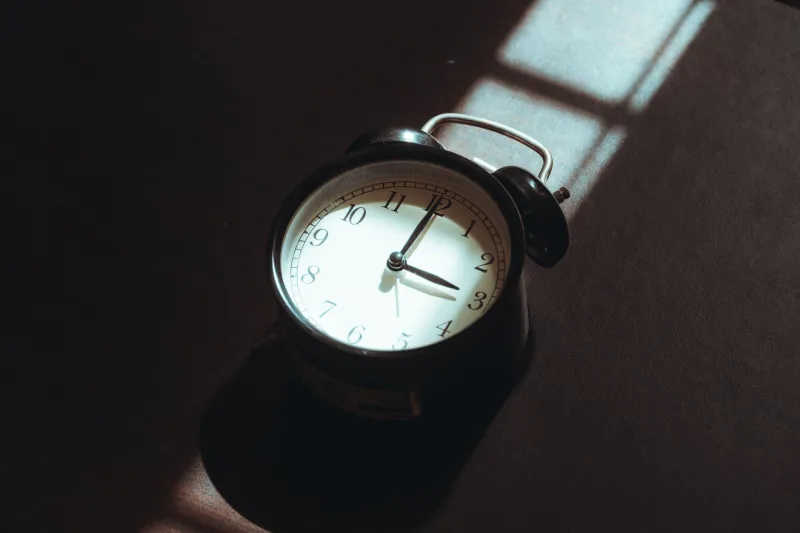
The better campaigns treat the phone as a stage, not a weapon. They use restraint. They let silence do work. A single well-timed message—arriving after a day of no contact—can be more unsettling than a dozen loud ones. The craft is in the interval, not the alert itself.
The Countdown in Your Pocket
What makes the current moment distinctive is not the technology. Push notifications are old. Countdown timers are older. What is new is the willingness of American publishers to treat the reading experience as something that can be scheduled, paced, and punctuated from outside the book. The novel no longer waits on the nightstand. It follows the reader into the day.
That shift carries real promise for suspense. A story that can reach the reader at the right moment—during a late commute, on a quiet Sunday evening—can feel more immediate than one that waits to be opened. But it also carries a warning. The more a thriller app resembles the world it is trying to evoke, the harder it becomes to tell the difference between a marketing beat and a threat. The best campaigns will understand that the line must be drawn clearly, even as the story pretends it cannot be.
For readers, the appeal is easy to understand. Everyone wants to feel that the story has chosen them. The risk is that the story chooses too well, and the lock screen stops feeling like a doorway into fiction. It starts feeling like a place where someone is already waiting.