The Silence After the Ring: How Thrillers Turn Rescue Into a Second Countdown

Photo: 玄史生, CC0, via Wikimedia Commons
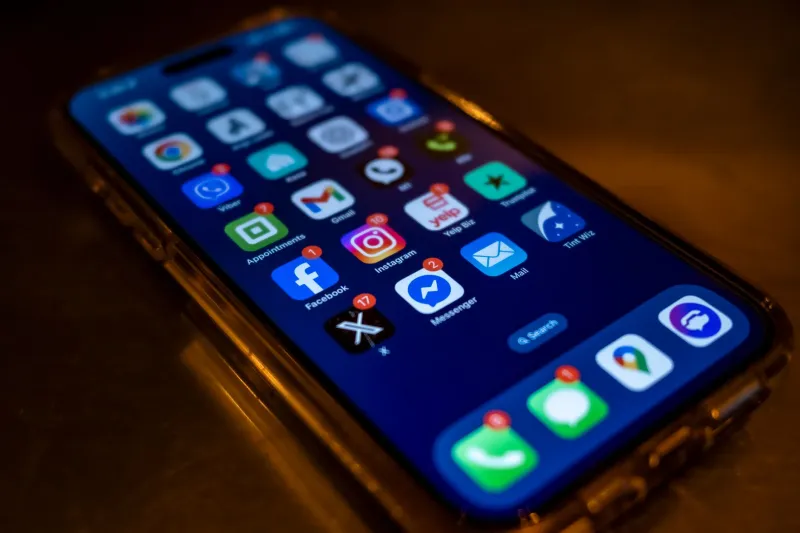
The phone is a small machine for hope. In American thrillers, it is also a trap. A character dials 911, and the story pauses on the promise of the state, the dispatcher, the sirens. Then the line dies. The screen goes dark, the signal vanishes, the hold music loops. The pause becomes a countdown. This is the dead line: a failed emergency call that does not merely delay rescue but converts rescue itself into a second, crueler clock.
The Contract of the Keypad
Since the first 911 call in the United States in 1968, the three digits have functioned as cultural shorthand for the moment when private fear becomes public responsibility. Fiction relies on that shorthand. When a character reaches for a phone, the reader understands the contract: if the call connects, the story must change. A dispatcher will speak. A patrol car will roll. The lone protagonist will become one node in a system.
The thriller's most efficient move is to tear up the contract after it has been signed. The character presses the final digit; the reader leans in; the line fails. The failure is not an interruption. It is a reversal. The promise of help becomes evidence of helplessness.
Three Ways the Line Dies
Recent fiction tends to kill the call in three ways, each with its own flavor of dread.
The first is the battery. This is the intimate failure, the one that implicates the character. The phone is at two percent because she has been using it as a flashlight, because she gave the charger to a child, because the house has no power. The reader watches the percentage as if it were a pulse. The call does not fail because the world is indifferent; it fails because the character has already spent her resources. That is a more personal cruelty.
The second is the signal. This is the geographic failure, the one that turns landscape into an antagonist. A rural highway, a basement, a parking garage, a storm. The phone displays one bar, then none. The character holds the device at arm's length, as if altitude could restore the tower. The failure is not personal. It is environmental. The reader feels the map close in.
The third is the hold queue. This is the bureaucratic failure, and it is the most satirical. The call connects. A recorded voice thanks the caller for patience. The hold music is cheerful. The character speaks to no one. In an age of automated systems and strained emergency services, the hold queue is a distinctly modern horror: the line is open, and still no one comes. The rescue is not absent. It is queued.
The Second Countdown
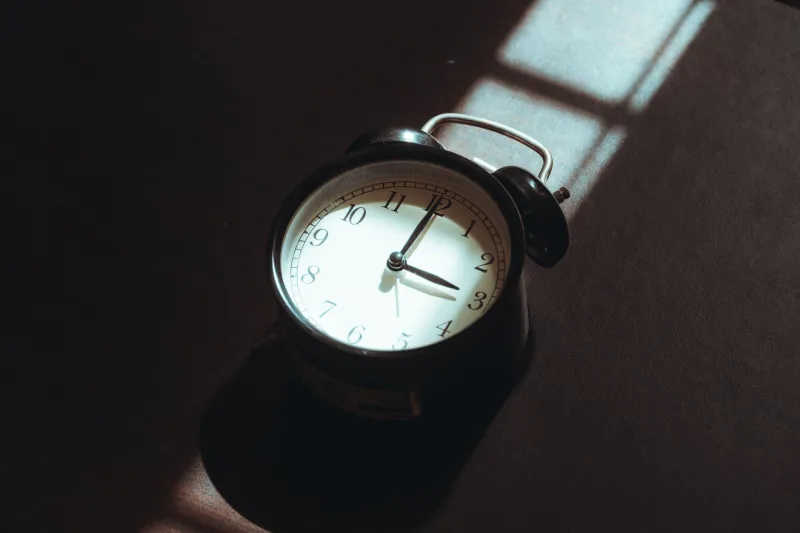
A dead line works because it creates a clock inside a clock. The first clock is external: how long until the killer returns, until the tide rises, until the door gives way. The second clock is the call: how long until connection, how long until dispatch, how long until arrival. When the line dies, the second clock does not stop. It becomes internal. The reader begins to count silently: redial, move, hide, try again.
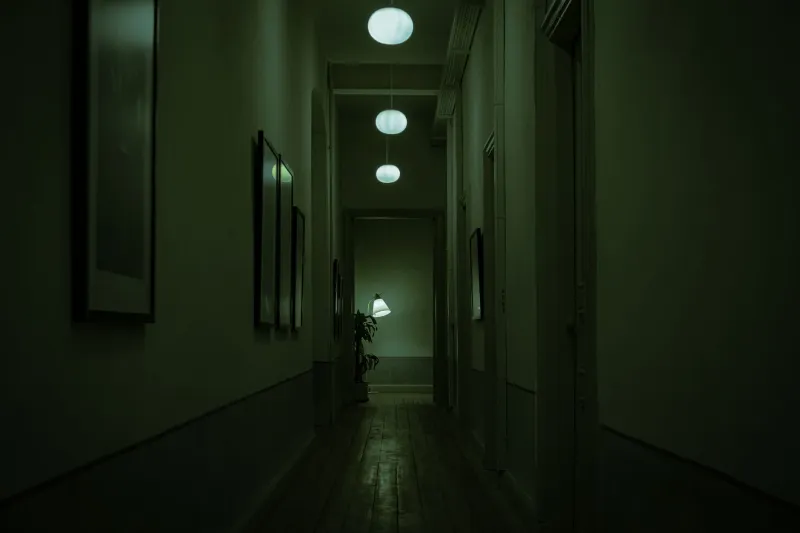
This is where the device outperforms the killer. A killer is a presence. A dead line is an absence. The reader is not watching a monster; the reader is sitting in the silence with the protagonist, listening to a tone that means nothing. The isolation is total because the failed call has already told us that no one is coming. The protagonist may still hope. The reader knows better.
Recent films have understood this negative space. The Call (2013) keeps a line open for most of its runtime, and The Guilty (2021) confines its protagonist to a dispatcher's headset; both derive suspense from what can be heard and what cannot be done through the connection. The dead line is their negative image: the same technology, the same urgency, but the promise withdrawn.
Making the Dead Line Feel Earned
The failed call is easy to fake. A writer can simply type the words no signal and move on. But a cheap dead line feels like a coincidence, and coincidence drains suspense. The device earns its terror when it is prepared, specific, and consequential.
A writer's checklist:
- Establish coverage early. If the phone worked five pages ago, the loss lands. If the reader has never seen a signal, the failure feels arbitrary.
- Make the failure character-specific. A dead battery is more affecting when the character chose to spend it. A dropped call matters more when the character ignored a warning.
- Show part of the system. A distant dispatcher, a hold message, a callback that never arrives. The reader needs to feel the institution's presence before its failure.
- Use sensory detail. The tone, the static, the battery icon, the breath held too long. The dead line is a sound before it is a plot point.
- Let the attempt cost something. Time, location, noise, injury. The call must change the character's position, not just her mood.
- Avoid the convenient storm. Weather can work, but only if it has been seeded. The same is true of tunnels, basements, and dead zones.
- Follow through. The failed call must force a new plan. If the character simply tries again later, the device is decoration.
- Permit one sliver of hope. The call should almost connect. The reader should hear a voice, a click, a question. Then remove it for a reason the reader can trace.
- Keep the clock visible. Remind the reader what the call was meant to stop. A countdown without a stake is just noise.
- Use it sparingly. One dead line per act is a rule of thumb. The second one teaches the reader to expect failure, and expectation is the enemy of dread.
The Reader on Hold
The dead line endures because it speaks to a fear larger than any single killer. It is the fear that the systems we trust are thinner than we imagine. The dispatcher is busy. The tower is down. The battery is dying. The promise of rescue is real, but it is not guaranteed.
That is why the most terrifying sound in the thriller is not a stranger's voice. It is the silence after the ring. The call has been made. The reader has been made a witness. And the countdown, already started, continues without an answer.